Beneath the Surface – Week 1

 A few months ago, Pastor Chad’s neighbor came over after a long day of bailing hay for a good ol’ front porch sit. While talking, his neighbor confessed to not even owning a Bible and sought Pastor Chad’s advice for picking one.
Pastor Chad began wondering how many others, even in his own FCC congregation, have the same desire to own and read a bible but don’t even know where to begin.
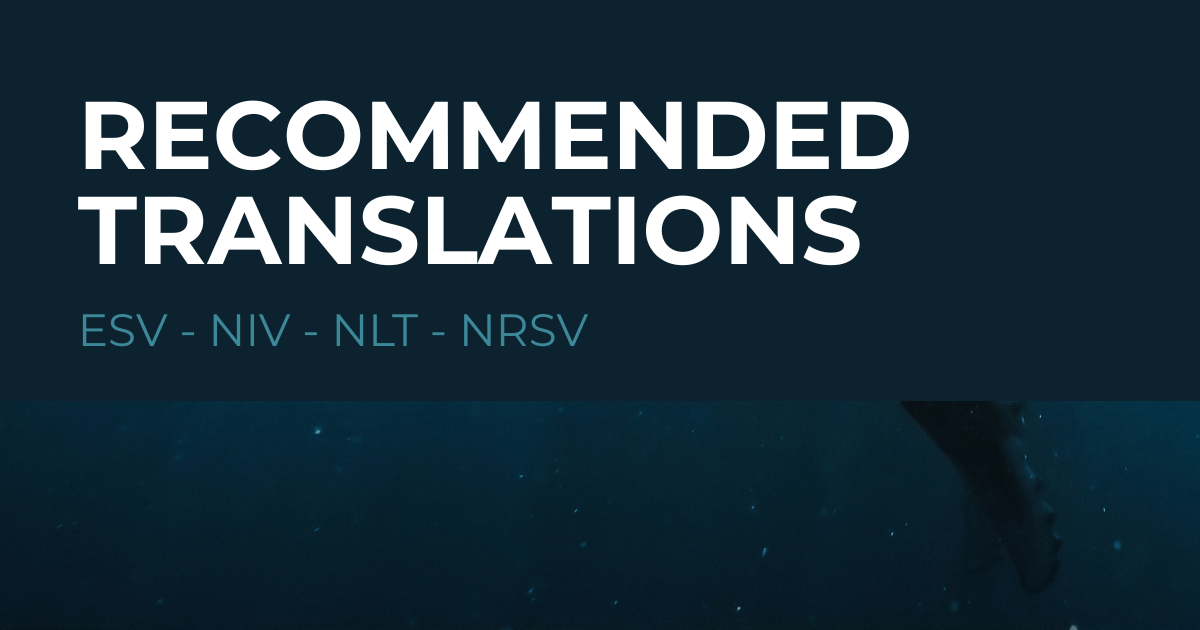
Pastor Chad says, first and foremost you need to get a Bible. He recommends ESV, NIV, NLT, or NRSV as those are ones that we frequently use in service. Of course there are a number of translations to pick from, and Pastor Chad welcomes you to strike up a conversation about Bible translations.
Once you have chosen a Bible, what do you do next?
Read it.
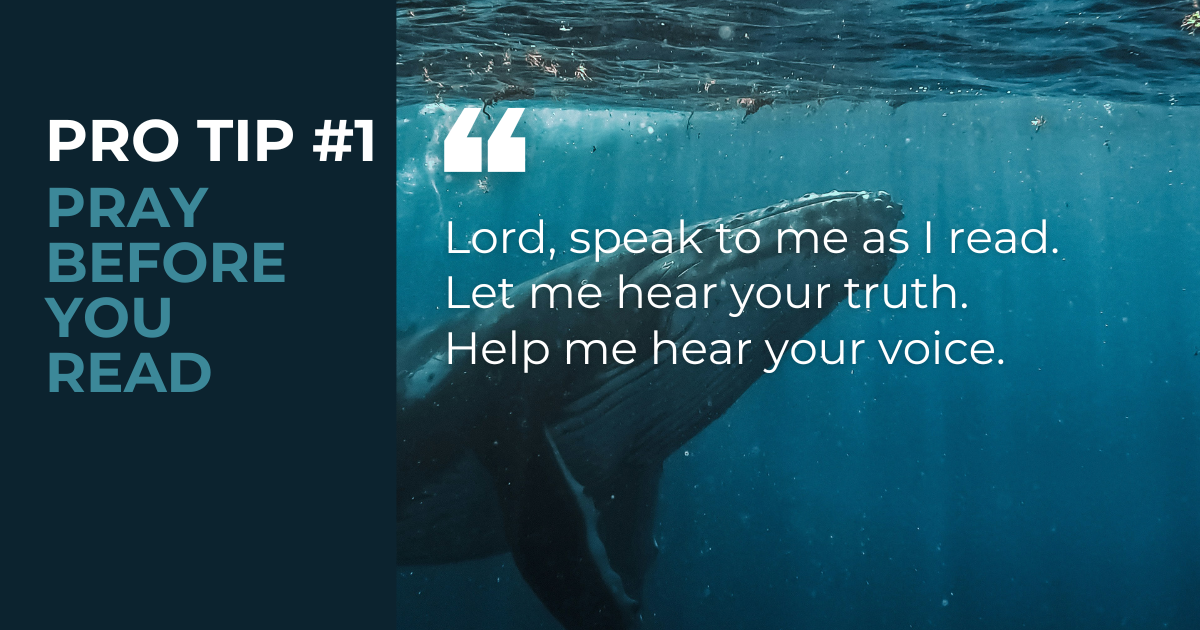
Pro Tip #1:
Pray before you read.
“Lord, speak to me as I read. Let me hear your truth. Help me hear your voice.”
Don’t just read to read. Read to be in it, hear, experience, and connect to the Father.
The scripture story for the day is Jonah. The text read in service is Jonah 1:1-4, but Pastor Chad recapped the whole story while making observations and wondering aloud.
When you read the story of the prophet Jonah, some surface level understandings you may come to are:
- Don’t run from God
- Listen to God
- God is everywhere
If you go just below the surface, you might take this away:
If a guy can give an eight word sermon and an entire city still repent, then maybe it’s not so much about the person giving the sermon and his words and more about what God can do. If God asks us to do something, he’s out ahead making a way.
How can we understand this story on a deeper level?
We can look at Jonah as one of the twelve minor prophets. His story reads completely different than any of the others. It reads kind of like a kids’ story.
Similar to the other prophets, Jonah has his reservations about his calling; however, unlike the other prophets, Jonah isn’t outright with expressing his reservations to God.
Jeremiah said he’s too young.
Amos and Isaiah said the message is too harsh.
Moses said he doesn’t talk well.
So, why wouldn’t he go?
Reading further along to chapter 4 verses 1 – 4 and Pro Tip #2 will help answer these questions.
Jonah knew God is good and would forgive.
Pro Tip #2:
Consult a Study Bible like the Life Application Study Bible
With a study bible you can find out that Ninevah is the capital city of Israel’s worst enemy.
Jonah wants revenge and punishment. He wants vengeance-not mercy.
So, God is saying something to Jonah and anyone who reads this book of the Bible. God’s goodness and mercy are meant for everyone.
If you are listening to this sermon and have someone on your mind that you want to just keep hating, you are like Jonah and you need this deeper than surface level meaning of this story.
Which leads us to Pro Tip #3:
The goal is not to get through the Bible; the goal is to be in it and let it be in you.
Pastor Chad has set forth a challenge during this sermon series (and beyond). Spend a whole week in the upcoming scripture text. Pray, read it, read it again, ask questions, consult theologians. Let it live in you throughout the week.